Tungsten Melting Point and High-Temperature Behavior, Explained
October 6, 2026
Tungsten vs Steel Density: What the Numbers Actually Mean
October 20, 2026
Can you replace lead without redesigning the part? Often you can, because tungsten heavy alloy weighs 1.5 to 1.66 times as much as lead in the same volume, so a swap usually shrinks the part instead of growing it. It also takes lead’s exposure and disposal problems off the table. What it does not do is cost the same, and “non-toxic” needs a footnote. This guide covers where tungsten alloy beats lead, where lead still wins, and what to check before you switch.
The photo at the top shows lead ingots stacked in a smelter yard at Port Pirie, South Australia, around 1925 (photo: South Australian state government photographer, public domain via Wikimedia Commons). Lead was cheap and easy to work then, and it still is. The reasons to move away from it today are density per cubic inch and exposure, not price.
Tungsten Alloy vs Lead at a Glance
| Property | Lead | Tungsten Heavy Alloy |
|---|---|---|
| Density | 11.34 g/cm³ | 17.0 to 18.8 g/cm³ (ASTM B777 Class 1 to 4) |
| Mass in the same volume | 1.0x | 1.5x to 1.66x |
| Volume for the same weight | 100% | 60% to 67% |
| Strength | Soft, creeps under load | Tensile strength 700 to 1,000 MPa in W-Ni-Fe grades |
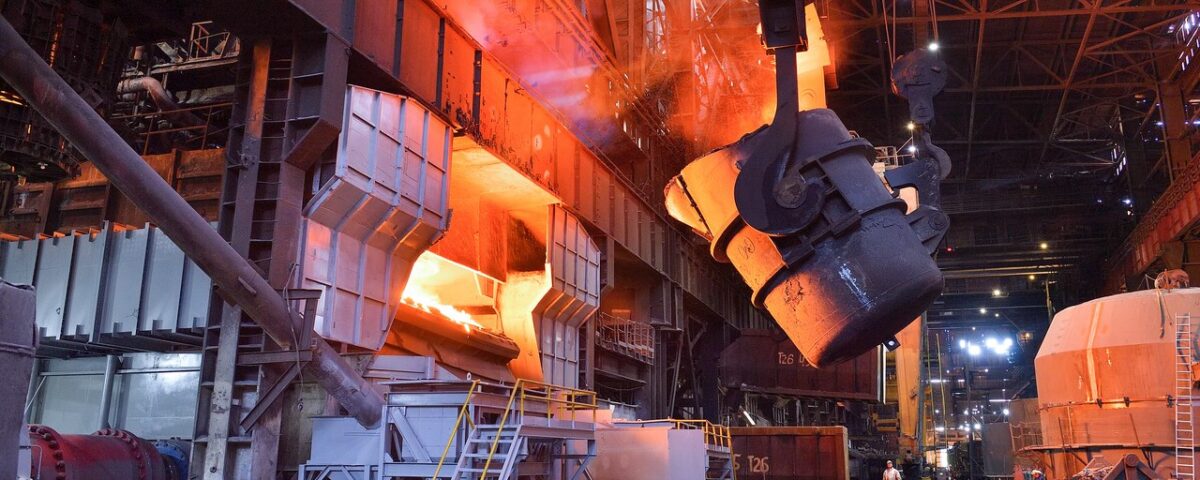
| Melting point | 327 °C | Pure tungsten 3,422 °C; the nickel-iron binder in heavy alloy turns liquid at roughly 1,450 to 1,500 °C during sintering |
| Raw metal cost | about $0.87/lb (LME, late September 2026) | finished tungsten metal about $72/lb (US, Q2 2026) |
| Airborne exposure rule | OSHA lead standard, 50 µg/m³ | No OSHA tungsten limit; nickel in the binder is limited to 1 mg/m³ |
The density figures come from our breakdown of the ASTM B777 heavy alloy classes, and the reason tungsten packs so much mass into a small space is covered in why tungsten is so dense. If you also want gold in the comparison, our tungsten, lead, and gold comparison runs the cost side by side.
What the Density Gap Means in a Real Part
A 1 lb lead weight takes up about 40 cm³, or 2.4 in³. Here is the same pound in heavy alloy:
| Material | Density | Volume for 1 lb | Smaller than lead by |
|---|---|---|---|
| Lead | 11.34 g/cm³ | 40.0 cm³ | baseline |
| Heavy alloy Class 1 | about 17.0 g/cm³ | 26.7 cm³ | 33% |
| Heavy alloy Class 2 | about 17.5 g/cm³ | 25.9 cm³ | 35% |
| Heavy alloy Class 3 | about 18.0 g/cm³ | 25.2 cm³ | 37% |
| Heavy alloy Class 4 | about 18.5 g/cm³ | 24.5 cm³ | 39% |
You can use that two ways. Keep the envelope and get up to 66 percent more weight in it, or keep the weight and give back a third or more of the space. In a counterweight, a balance weight, or a shield, the second choice often decides whether a part fits at all. We go through the counterweight case in tungsten counterweights and ballast, and our aerospace page shows where it gets used.
Where the Swap Makes Sense
Counterweights and Ballast
This is the cleanest case. The job is mass in a fixed envelope, the part sees steady loads, and nobody wants a lead part that has to be handled, tracked, and disposed of under its own rules. Heavy alloy machines to drawing tolerances and holds its shape under load, which soft lead struggles to do.
Radiation Shielding
Because tungsten is denser, it generally needs less thickness than lead for the same attenuation. One shielding supplier puts tungsten’s density at about 1.7 times lead’s, says less tungsten is needed for a given attenuation, and notes that lead may have to be encapsulated or coated to prevent exposure. How much thinner you can go depends on the photon energy, so look up your source in the NIST XCOM attenuation database before you set a thickness. Weight is a separate question from thickness. Per pound of shielding the gap can be much narrower, so a weight-limited design needs real attenuation data, not a density ratio. Our medical page covers the shielding and collimator work we machine.
Shot, Sinkers, and Fishing Weights
Hunting and fishing is where lead rules are written most often, and it is where tungsten is already approved:
- Lead shot has been banned for waterfowl hunting nationwide since 1991, and ten of the fourteen shot types on the U.S. Fish and Wildlife Service’s approved nontoxic list contain tungsten, as of our October 2026 check.
- California has required nonlead ammunition for taking any wildlife with a firearm since July 1, 2019.
- In the EU, Regulation 2021/57 has banned lead gunshot in or within 100 meters of wetlands since February 15, 2023.
- New Hampshire, Massachusetts, and Maine restrict the use and sale of small lead jigs and sinkers, and New York and Vermont restrict their sale, according to the Congressional Sportsmen’s Foundation.
Rules for lead on federal land have been revised more than once, so check the current rule for the specific refuge before you hunt or fish there. Our outdoor page covers tungsten fishing weights, and the tungsten shot post covers the shotgun side.
Tools Where Mass Has to Fit
Density in a small envelope is also why tungsten ends up in hand tools. A bucking bar has to put real mass behind a rivet while still fitting into a corner, flange, or channel. Our sister brand USA Tungsten builds its bars from tungsten heavy alloy, and its guide on matching bar weight, shape, and reach to the rivet shows how access, not preference, decides which bar you need.
Where Lead Still Wins
Lead is not going away, and for some parts it is the right call.
- Price. At about $0.87 a pound against roughly $72 for finished tungsten, the raw metal costs about 80 times more. You buy the same weight either way, so expect material cost per part to run far higher, with machining on top. What you get back is a smaller part, not a cheaper one.
- Casting. Lead melts at 327 °C and pours into almost any shape. Heavy alloy is pressed from powder, sintered, and machined, because tungsten itself melts at 3,422 °C. It also machines on its own parameters, which we cover in how to machine tungsten heavy alloy.
- Free space. If the part has plenty of room, no rule applies to it, and weight per dollar is the only goal, lead is still the cheapest way to add weight.
If none of that describes your part, the question is only whether lead’s risks and the space it takes are worth the lower price.
What “Non-Toxic” Does and Does Not Mean
Lead’s problem is that it does not stay put. The CDC says no safe blood lead level in children has been identified, and OSHA’s lead standard sets a 50 µg/m³ airborne limit with a 30 µg/m³ action level that triggers monitoring and medical surveillance. Lead dust, soil, and spent pellets move into people and wildlife, which is why the shot ban exists.
Finished tungsten heavy alloy parts behave differently. Our safety data sheet says that as a solid, tungsten heavy alloy presents no significant health risks per se, carries no transport hazard class, and has no RCRA hazardous waste number. That is what “non-toxic” earns here: a part you can handle, ship, and eventually recycle without the controls lead requires.
It is not a promise about everything, and three footnotes matter:
- Machining and grinding make dust, which can irritate skin and eyes. Use local exhaust, wet methods, and a respirator when dust is airborne. NIOSH recommends keeping insoluble tungsten dust to 5 mg/m³ as an 8-hour average, and OSHA has no enforceable tungsten limit.
- The binder contains nickel, which can sensitize skin, and OSHA limits airborne nickel to 1 mg/m³.
- Weights are not meant to be embedded in tissue. A 2015 mouse study found tumors from embedded tungsten-nickel-cobalt pellets but not tungsten-nickel-iron ones, which is one more reason to read “non-toxic” as a statement about handling and the environment.
How to Check a Swap Before You Commit
- Start from the weight and the envelope. Use the table above to see whether the part shrinks, or how much weight you can add in the same space.
- Pick the ASTM B777 class by density, and ask what documentation ships with the order. We include a Certificate of Conformance with every one.
- Name what is driving the change: a customer specification, a state or EU rule, or your own safety program. That decides which documents you need.
- Get the safety data sheet and confirm your machining shop has dust controls.
- Send a drawing for a quote. Expect a higher price per part and a smaller part.
What Happens to Weights at the End of Life
Lead weights are a disposal job. Heavy alloy keeps real value. In September 2026 we tracked tungsten scrap at roughly $4.65 to $10.05 a pound, depending on form and purity. If you have counterweights or other heavy alloy sitting around in quantity, Tungsten Buyers will assay it and quote it, and our post on why no price chart can tell you what a lot is worth explains how that valuation works.
Frequently Asked Questions
How much denser is tungsten alloy than lead?
Lead is 11.34 g/cm³. Tungsten heavy alloy runs 17.0 to 18.8 g/cm³ depending on the ASTM B777 class, which makes it 1.5 to 1.66 times as dense. For the same weight, the alloy part needs 60 to 67 percent of the volume.
Is tungsten heavy alloy safer than lead?
For finished solid parts, yes. Our safety data sheet says the solid presents no significant health risks per se, while lead carries an OSHA standard, monitoring, and a CDC warning that no safe blood level has been identified in children. Machining dust and the nickel in the binder still call for ordinary shop controls.
Can tungsten alloy replace lead for radiation shielding?
Often, and usually with less thickness, because it is denser. How much less depends on photon energy and on whether thickness or weight is your limit, so check NIST attenuation data for your source before you finalize a design.
Is tungsten allowed where lead shot and sinkers are banned?
Tungsten-based shot types appear on the U.S. Fish and Wildlife Service’s approved nontoxic list for waterfowl hunting. State and land rules vary, and the bans on lead sinkers and jigs name lead, not tungsten. Confirm the rule for your state, refuge, or country before you rely on any product.
How much more does tungsten cost than lead?
On raw metal, about 80 times per pound: roughly $72 for finished tungsten against $0.87 for lead as of late 2026. The weight is the same, so the material cost per part is far higher too, and machining adds to it. What you get back is a part that is 33 to 39 percent smaller. We quote against your drawing.
Can tungsten alloy be cast like lead?
No. Lead melts at 327 °C and pours. Heavy alloy is pressed from powder, sintered with a liquid nickel-iron binder at roughly 1,450 to 1,500 °C, and machined to size.
Tungsten Parts Wyoming manufactures tungsten and tungsten heavy alloy components, powder to finished part, in Laramie, Wyoming, under ISO 9001. Send us the lead part you want to replace, or a drawing, through our quote form, and we will price the heavy alloy version. Our tungsten heavy alloy page lists the grades.