
Tungsten Crucibles
Tungsten Crucibles (High-Temp W)
Tungsten Parts Wyoming manufactures tungsten crucibles for high-temperature melting, crystal growth, and vacuum applications, produced to customer dimensions. Tungsten melts at about 3,422 C, the highest of any metal, making it essential for the most demanding thermal environments.
Why Tungsten Crucibles from TPW?
Tungsten's unmatched melting point and thermal stability make it essential for the most demanding high-temperature melting and crystal-growth processes:
- Highest Melting Point of Any Metal: At about 3,422 C, tungsten withstands temperatures that destroy graphite, molybdenum, and ceramic crucibles.
- High Purity for Melt Integrity: Low-contamination tungsten protects sensitive melts in sapphire growth, rare-earth, and specialty-alloy processing.
- Machined to Customer Dimensions: Crucibles produced to your drawing - diameter, wall thickness, and capacity - for vacuum and inert-atmosphere furnaces.
- US-Manufactured: Produced in Laramie, Wyoming under ISO 9001 quality management with full documentation.
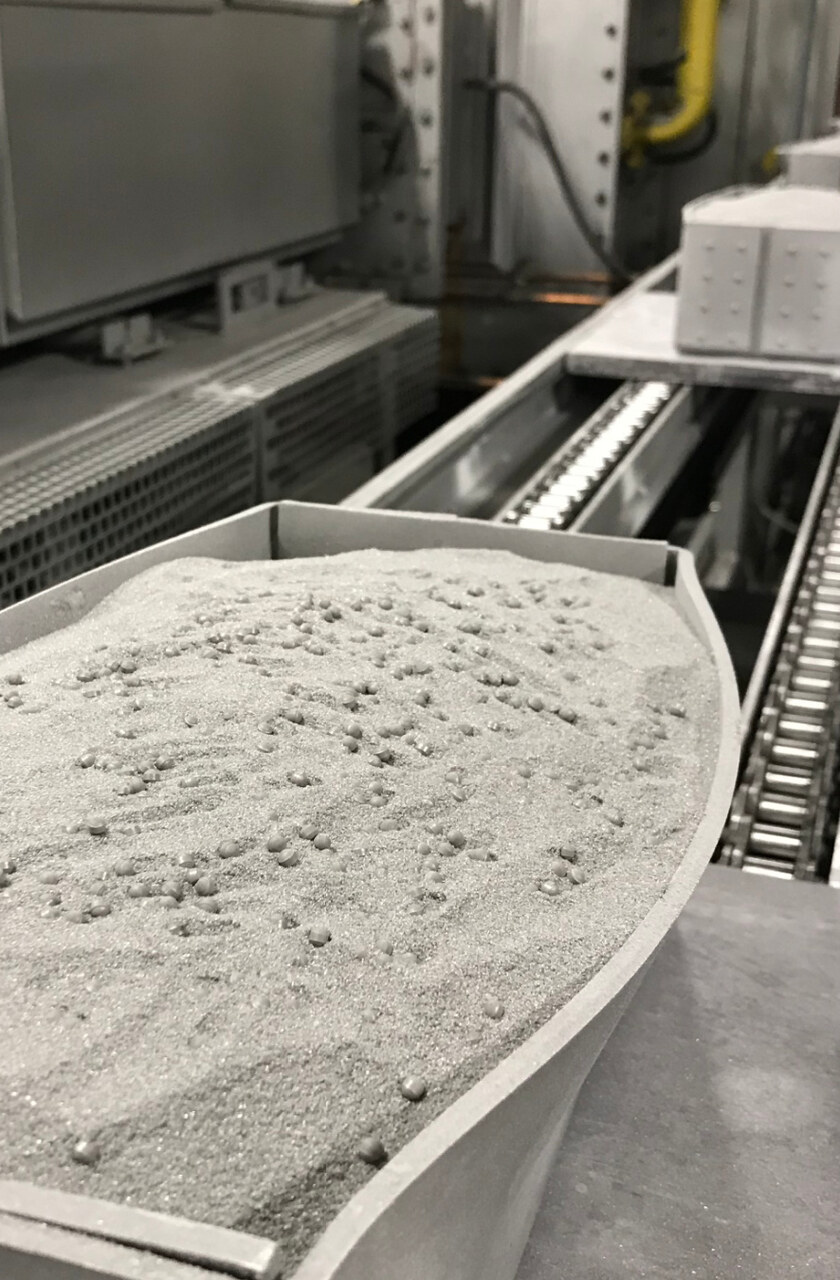
What TPW Makes in Tungsten Crucibles
Crucibles built to your specification:
- Pure tungsten construction (19.25 g/cc), machined to your specified dimensions, wall thickness, and capacity
- Certificate of Conformance (C of C) on every order; full lot traceability
- First-article inspection with dimensional and weight verification
- ISO 9001 certified; ITAR-registered; DFARS-compliant; Made in USA
Every tungsten crucible ships with a Certificate of Conformance and dimensional verification. Direct coordination with our Laramie, Wyoming facility. Request a quote with your dimensions and quantities.
Specifications
| Diameter / height | To your drawing |
| Wall thickness | To your drawing |
| Density | 17.8-18.3 g/cc conventional; over 18.5 g/cc with special processing |
| Purity / finish | As specified |
Other Specs
Conventional density: 17.8 g/cc - 18.3 g/cc. Density after special processing: greater than 18.5 g/cc.
See the Tungsten Properties Guide for melting point data. Crucibles are produced to your Customer Drawings, and support Energy Applications.
Why Tungsten Instead of Graphite, Molybdenum, or Ceramic
Crucible material is chosen by the melt temperature and by how much contamination the melt will tolerate. Tungsten holds its shape and purity where the common alternatives fail.
| Material | Practical limit | Main limitation |
|---|---|---|
| Tungsten | Approx. 3,422 °C melting point | Requires vacuum or inert atmosphere above roughly 500 °C |
| Molybdenum | Approx. 2,623 °C melting point | Lower service ceiling; oxidizes readily |
| Graphite | Sublimes near 3,600 °C | Carbon pickup contaminates sensitive melts |
| Alumina and other ceramics | Typically under 1,900 °C | Thermal shock cracking; reacts with reactive metals |
Where Tungsten Crucibles Are Used
- Sapphire single-crystal growth by Kyropoulos and heat-exchanger methods
- Rare-earth and refractory metal melting
- Vacuum and inert-atmosphere furnace hot zones
- Glass and specialty oxide melting where carbon pickup is unacceptable
- Research and pilot-scale thermal processing
Density and Purity
Crucibles are produced from pure tungsten, which has a theoretical density of 19.25 g/cm³. As-sintered crucible density runs 17.8 to 18.3 g/cm³ under conventional processing, and above 18.5 g/cm³ with special processing. Higher density generally means lower porosity, which matters where melt penetration or contamination is a concern. State your required density on the drawing and we will confirm the processing route before quoting.
Atmosphere and Handling
Tungsten oxidizes in air above roughly 500 °C, so crucibles are run under vacuum or an inert atmosphere at operating temperature. Tungsten is also hard and relatively brittle at room temperature, so avoid impact loading and thermal shock during loading and cool-down. Handling guidance for a specific process can be confirmed with our engineering team.
Lead Times
Crucibles are made to your drawing rather than stocked, so expect 10 to 12 weeks depending on size, wall thickness, and quantity. Confirm timing when you request a quote.
Frequently Asked Questions
What are tungsten crucibles used for?
Tungsten crucibles are used for high-temperature melting, crystal growth, and vacuum applications, where tungsten's high melting point and chemical stability are essential.
Does Tungsten Parts Wyoming make custom tungsten crucibles?
Yes. Tungsten Parts Wyoming produces tungsten crucibles to customer dimensions and specifications.
Why Tungsten Instead of Graphite, Molybdenum, or Ceramic
Crucible material is chosen by the melt temperature and by how much contamination the melt will tolerate. Tungsten holds its shape and purity where the common alternatives fail.
| Material | Practical limit | Main limitation |
|---|---|---|
| Tungsten | Approx. 3,422 °C melting point | Requires vacuum or inert atmosphere above roughly 500 °C |
| Molybdenum | Approx. 2,623 °C melting point | Lower service ceiling; oxidizes readily |
| Graphite | Sublimes near 3,600 °C | Carbon pickup contaminates sensitive melts |
| Alumina and other ceramics | Typically under 1,900 °C | Thermal shock cracking; reacts with reactive metals |
Where Tungsten Crucibles Are Used
- Sapphire single-crystal growth by Kyropoulos and heat-exchanger methods
- Rare-earth and refractory metal melting
- Vacuum and inert-atmosphere furnace hot zones
- Glass and specialty oxide melting where carbon pickup is unacceptable
- Research and pilot-scale thermal processing
Density and Purity
Crucibles are produced from pure tungsten, which has a theoretical density of 19.25 g/cm³. As-sintered crucible density runs 17.8 to 18.3 g/cm³ under conventional processing, and above 18.5 g/cm³ with special processing. Higher density generally means lower porosity, which matters where melt penetration or contamination is a concern. State your required density on the drawing and we will confirm the processing route before quoting.
Atmosphere and Handling
Tungsten oxidizes in air above roughly 500 °C, so crucibles are run under vacuum or an inert atmosphere at operating temperature. Tungsten is also hard and relatively brittle at room temperature, so avoid impact loading and thermal shock during loading and cool-down. Handling guidance for a specific process can be confirmed with our engineering team.
Lead Times
Crucibles are made to your drawing rather than stocked, so expect 10 to 12 weeks depending on size, wall thickness, and quantity. Confirm timing when you request a quote.