What DFARS 252.225-7052 Means for Tungsten Buyers, Effective January 1, 2027
July 28, 2026
Tungsten Counterweights and Ballast: How Aerospace Balances Weight
August 11, 2026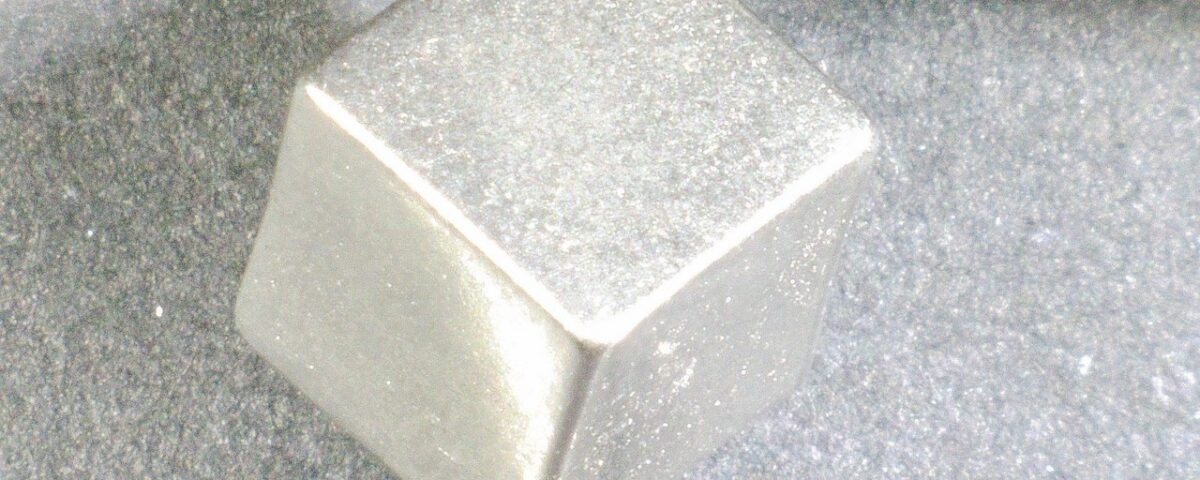
A one-inch tungsten cube weighs about 0.70 lb (315 g) in pure tungsten. A four-inch cube weighs about 44.5 lb (20.2 kg). The math is simple: cube the side length to get volume, then multiply by density. Tungsten’s density is what makes the answer surprising.
There is a catch that trips up most buyers, and it is the reason two suppliers can quote different weights for the same size cube. More on that below the chart.
Tungsten Cube Weight Chart, Inches
Pure tungsten is 19.25 g/cm³. Tungsten heavy alloy is lighter because a nickel-iron or nickel-copper binder replaces some of the tungsten. Both columns are shown because both are sold as “tungsten cubes.”
| Cube size | Volume | Pure tungsten (19.25 g/cm³) | Heavy alloy, Class 3 (18.0 g/cm³) |
|---|---|---|---|
| 0.5 in | 0.125 in³ | 39 g (0.09 lb) | 37 g (0.08 lb) |
| 1 in | 1.000 in³ | 315 g (0.70 lb) | 295 g (0.65 lb) |
| 1.5 in | 3.375 in³ | 1,065 g (2.35 lb) | 996 g (2.19 lb) |
| 2 in | 8.000 in³ | 2,524 g (5.56 lb) | 2,360 g (5.20 lb) |
| 2.5 in | 15.625 in³ | 4,929 g (10.87 lb) | 4,609 g (10.16 lb) |
| 3 in | 27.000 in³ | 8,517 g (18.78 lb) | 7,964 g (17.56 lb) |
| 4 in | 64.000 in³ | 20,189 g (44.51 lb) | 18,878 g (41.62 lb) |
Tungsten Cube Weight Chart, Millimeters
| Cube size | Volume | Pure tungsten | Heavy alloy, Class 3 |
|---|---|---|---|
| 10 mm | 1 cm³ | 19.3 g | 18.0 g |
| 20 mm | 8 cm³ | 154 g | 144 g |
| 25 mm | 15.6 cm³ | 301 g | 281 g |
| 50 mm | 125 cm³ | 2,406 g (2.41 kg) | 2,250 g (2.25 kg) |
| 100 mm | 1,000 cm³ | 19,250 g (19.25 kg) | 18,000 g (18.0 kg) |
The Formula
Weight equals side length cubed, times density.
For a 2-inch cube in pure tungsten: 2 × 2 × 2 = 8 cubic inches. One cubic inch is 16.387 cm³, so that is 131.1 cm³. Multiply by 19.25 g/cm³ and you get 2,524 grams, or 5.56 lb.
A useful shortcut for estimating: pure tungsten runs 0.6955 lb per cubic inch. Multiply cubic inches by 0.7 and you are within one percent.
Why Two Suppliers Quote Different Weights for the Same Cube
This is the part worth understanding before you buy or specify anything.
Most cubes sold as desk objects are not pure tungsten. They are tungsten heavy alloy, where tungsten powder is bound with nickel and iron or nickel and copper. That binder is lighter than tungsten, so the finished cube is lighter than the pure-metal math predicts.
You can see it in the published numbers. Back-calculate the density from the retail weights that dominate search results for this question and they land almost exactly on 18.0 g/cm³, not 19.25. A widely cited four-inch cube listed at 41.62 lb works out to 18.00 g/cm³. The one-inch at 0.66 lb works out to 18.3. Those are heavy alloy figures, and they sit inside the ASTM B777 Class 3 range of 17.75 to 18.35 g/cm³.
The gap is not trivial at size. A four-inch cube is 41.62 lb in Class 3 heavy alloy and 44.51 lb in pure tungsten. That is 2.89 lb, or roughly 7 percent, on the same nominal part. If you are buying by weight, specifying ballast, or checking an incoming shipment against a purchase order, 7 percent is the difference between a part that passes and one that gets rejected.
The fix is straightforward. “Tungsten cube” is not a specification. Grade and density are.
Tungsten and Gold Weigh Almost the Same
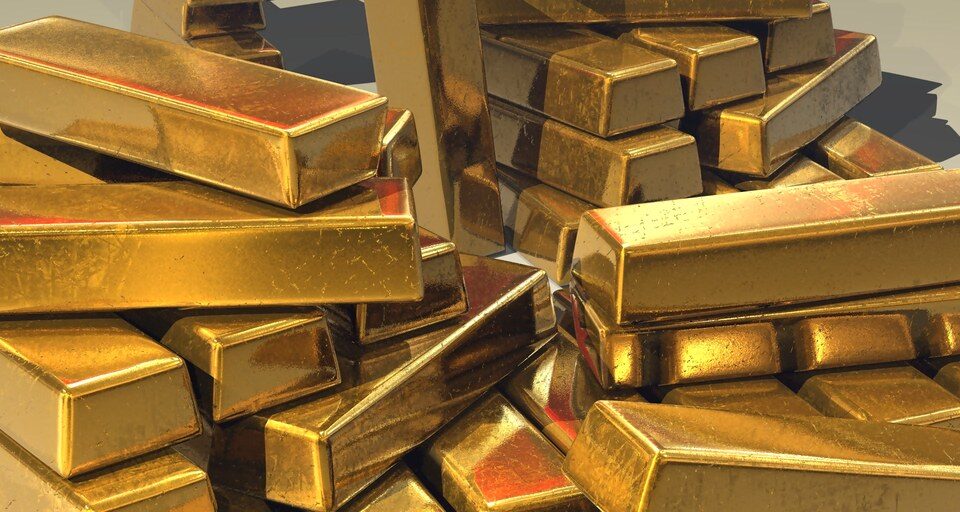
Pure tungsten is 19.25 g/cm³. Gold is 19.30 g/cm³. That is a difference of about 0.26 percent, which is below what any field density check can resolve.
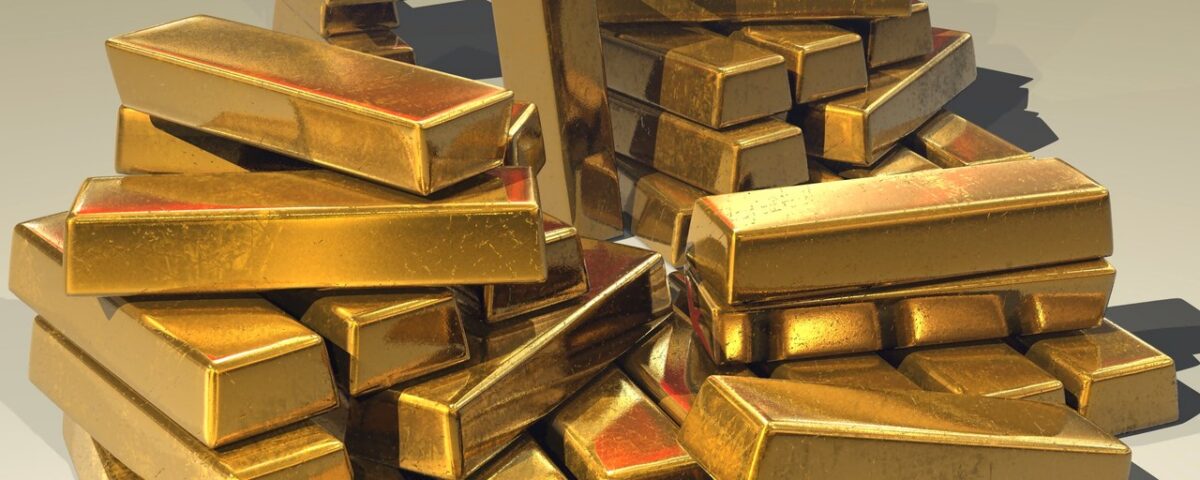
This is not trivia. It is the entire reason tungsten is the material of choice for counterfeit gold bars: a tungsten core lets a fake hold the correct weight and the correct dimensions at the same time, which lead or copper cannot do. Assayers have to use X-ray fluorescence, ultrasound, or a drilled core sample instead of weighing the bar.
How a Tungsten Cube Compares to Other Metals
Same one-inch cube, different materials.
| Material | Density | 1-inch cube | Versus tungsten |
|---|---|---|---|
| Gold | 19.30 g/cm³ | 316 g (0.70 lb) | 1.00x |
| Pure tungsten | 19.25 g/cm³ | 315 g (0.70 lb) | 1.00x |
| Tungsten heavy alloy | 18.0 g/cm³ | 295 g (0.65 lb) | 0.94x |
| Lead | 11.34 g/cm³ | 186 g (0.41 lb) | 0.59x |
| Steel | 7.85 g/cm³ | 129 g (0.28 lb) | 0.41x |
| Aluminum | 2.70 g/cm³ | 44 g (0.10 lb) | 0.14x |
Tungsten carries about 1.7 times the mass of lead and 2.5 times the mass of steel in the same space. That ratio is the whole reason it gets specified for counterweights, ballast, and vibration damping where volume is fixed and mass is the requirement.
What This Means When You Are Specifying
If the cube is a desk object, the grade barely matters. If it is going into a program, it decides whether the part works.
- State the grade, not just the material. ASTM B777 Class 1 through 4, or pure tungsten.
- State the density range you will accept, since that is what actually drives the weight.
- Decide whether magnetic behavior matters. Nickel-iron binder is slightly magnetic; nickel-copper is not.
- If mass is the functional requirement, give the target mass and tolerance rather than only the dimensions.
- Ask for a Certificate of Conformance so the delivered density is documented rather than assumed.
The same density logic drives sizing in aircraft riveting tooling, where mass in a compact envelope is the whole design problem. Our sister brand publishes a bucking bar size and weight reference built on exactly this relationship.
Where to Get Tungsten Cubes
Tungsten Parts Wyoming manufactures tungsten cubes and preformed fragments powder-to-part in Laramie, Wyoming, in standard sizes and to custom drawings. Grade options and density ranges are on the tungsten heavy alloy page, and full certified property data is on our technical data sheets. For the underlying material behavior, see our tungsten properties guide.
Weights in this article are calculated from nominal densities and are rounded. As-sintered parts vary slightly with processing and porosity; certified values for a specific order come on the Certificate of Conformance.
Frequently Asked Questions
How much does a 1 inch tungsten cube weigh?
A 1-inch tungsten cube weighs about 315 grams, or 0.70 lb, in pure tungsten at 19.25 g/cm³. In tungsten heavy alloy at 18.0 g/cm³ it weighs about 295 grams, or 0.65 lb.
How much does a 4 inch tungsten cube weigh?
A 4-inch tungsten cube weighs about 44.5 lb (20.2 kg) in pure tungsten. Most retail 4-inch cubes are tungsten heavy alloy and weigh about 41.6 lb (18.9 kg), because the nickel-iron binder is lighter than tungsten.
How do you calculate the weight of a tungsten cube?
Cube the side length to get volume, then multiply by density. One cubic inch equals 16.387 cm³. Pure tungsten is 19.25 g/cm³, which works out to 0.6955 lb per cubic inch.
Why is tungsten so heavy?
Tungsten has a high atomic mass and its atoms pack tightly, giving it a density of 19.25 g/cm³. That is about 1.7 times lead and 2.5 times steel for the same volume.
Does a tungsten cube weigh the same as gold?
Almost. Gold is 19.30 g/cm³ and pure tungsten is 19.25 g/cm³, a difference of roughly 0.26 percent. That near match is why tungsten is used in counterfeit gold bars and why density alone cannot verify bullion.
Are tungsten cubes pure tungsten or an alloy?
Most cubes sold commercially are tungsten heavy alloy, typically around 18.0 g/cm³, not pure tungsten at 19.25 g/cm³. Always confirm the grade, because it changes the weight by about 7 percent.